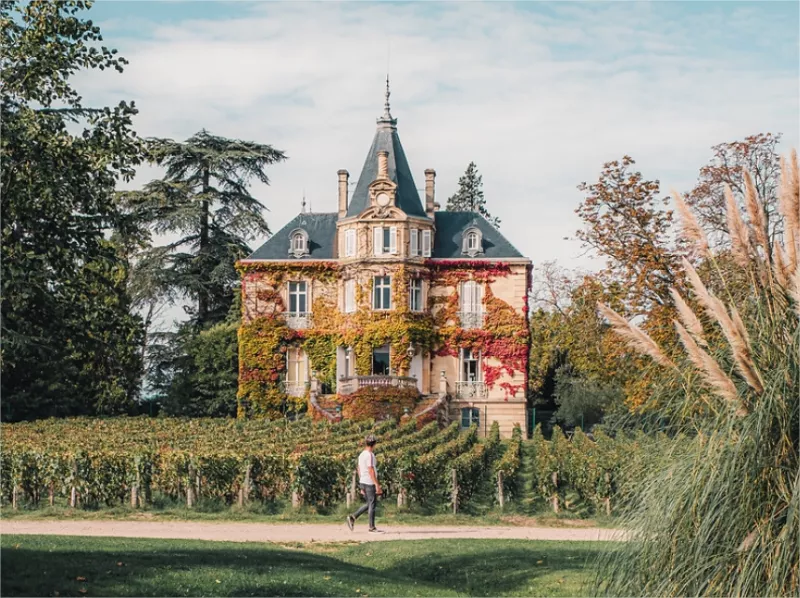
Top Châteaux to Visit Near Bordeaux
Published on · Last updated on
From the rolling hills of Saint-Émilion to the grand estates of the Médoc, the Bordeaux wine region is home to some of France's most welcoming châteaux. Whether you're after a Grand Cru Classé cellar tour, a family-friendly tasting in the countryside, or a picnic among the vines, these 12 hand-picked wine estates offer visits you can book directly. Below, we've organised them by appellation so you can plan your day trip from Bordeaux.
Bordeaux's wine heritage isn't just architectural, it's carried by the winemakers who keep reinventing what a vineyard visit can be. Below you'll find our pick of 12 estates worth the detour. For the full picture, browse the complete selection of 30 châteaux across 9 appellations.
Saint-Émilion: A Medieval Terroir

Château Chauvin
Château Chauvin sits northwest of Saint-Émilion, on 15 hectares squeezed between Château Cheval Blanc and Pomerol. A Saint-Émilion Grand Cru Classé since 1955, the estate has belonged to Sylvie Cazes (also co-owner of Château Lynch-Bages in Pauillac) since 2014, and its clay-and-sand soil, similar to some Pomerol terroirs, gives the mostly Merlot vines an early ripening edge.
The château opens seven days a week from April to October, with guided tours through the cellars followed by a tasting of the estate's wines.
Château Bernateau
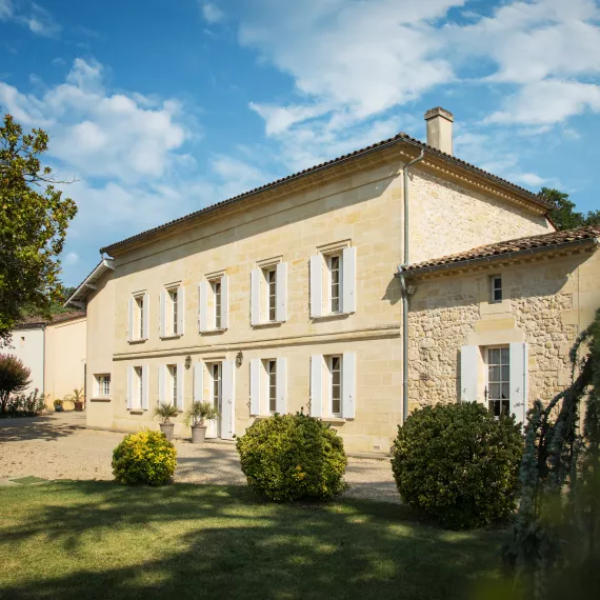
In Saint-Étienne-de-Lisse, just outside Saint-Émilion, Château Bernateau has stayed in the Lavau family for eleven generations. The estate is farmed organically, on clay-and-limestone soil planted mostly with Merlot, and holds Saint-Émilion Grand Cru status.
Visits are kept to small groups, with a tour through the vines and the cellars followed by a tasting of several vintages, guided by members of the family themselves.
Pomerol and Fronsac: Where Past and Present Meet
Château de la Rivière
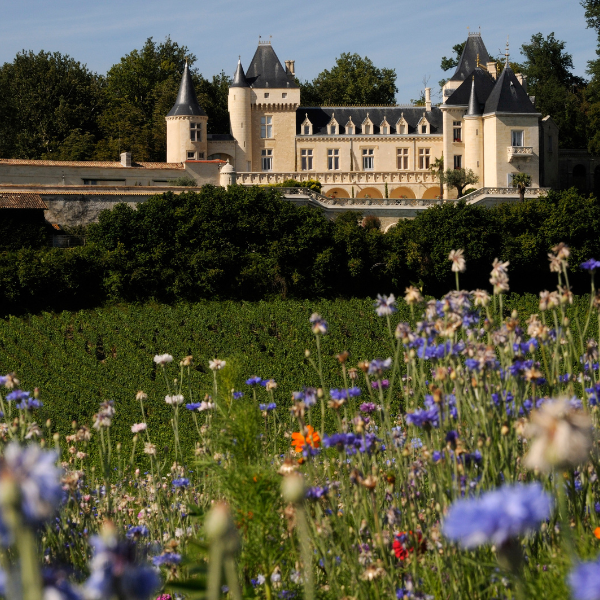
Château de la Rivière stands on the site of a fortified camp built by Charlemagne in 769, above the Dordogne valley. The current building dates to the 16th century, remodeled in the 19th by an architect trained under Viollet-le-Duc, and its turrets and battlements are the largest estate in the Fronsac appellation today.
The most striking part of the visit is underground: 8 hectares of man-made cellars, cut into limestone in the 19th century, holding around 700,000 bottles. The tour ends with a tasting of the estate's wines.
Château Soutard
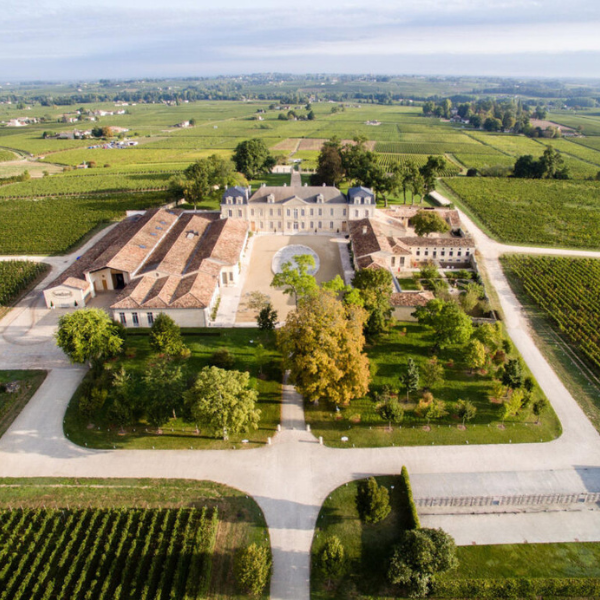
The Soutard estate traces back to 1513, when records first mention a farm on the site; the château itself was built between 1741 and 1762, at the end of a lime tree avenue on Saint-Émilion's limestone plateau. Since 2006 it has belonged to AG2R La Mondiale, which merged in the neighbouring Château Cadet-Piola in 2012 to bring the estate to 30 contiguous hectares, one of the largest single-block holdings in the appellation.
A renovation led by architect Fabien Pédelaborde, completed in 2015, restored the cellars and reception spaces while keeping the estate's original character. Visitors can now tour the vat rooms and cellars, taste the wines, and stay overnight in one of the on-site guest rooms.
Arts and Lifestyle in the Médoc Region
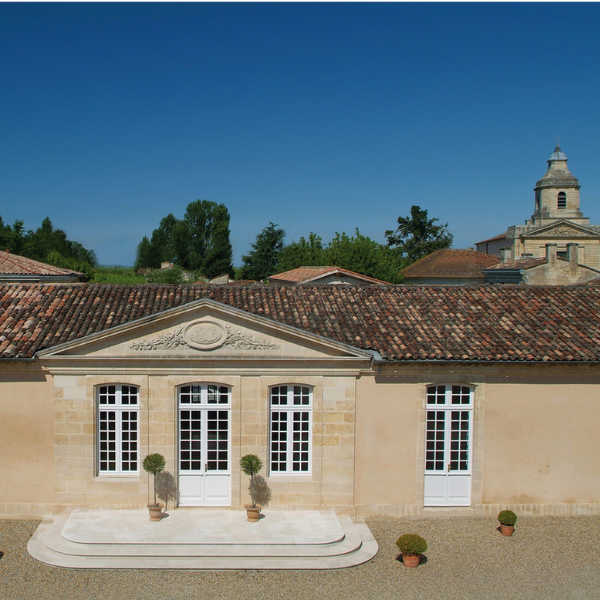
Château Desmirail
Château Desmirail is one of Margaux's 21 classified growths from 1855, ranked Third Growth, but its history has a twist: in 1938 the vineyard was absorbed into neighbouring Château Palmer and the Desmirail name disappeared from wine labels for over 40 years. Lucien Lurton bought back the estate and revived it in 1981; his son Denis Lurton runs it today, on 40 hectares of gravel soil in Cantenac.
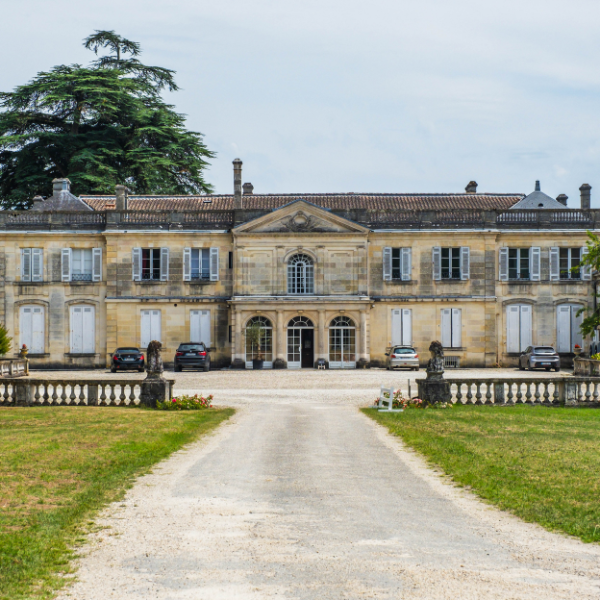
Château du Taillan
Château du Taillan's 100-hectare park hides 30 hectares of vines, an 18th-century château, and cellars classified as Historic Monuments alongside a pink marble altarpiece. The Cruse family has owned the estate since 1896; since 1992 it has been run by five sisters, the fourth generation, who became pioneers of Médoc wine tourism when they opened the property to visitors in 2003.
The estate holds Cru Bourgeois Exceptionnel status (the top tier of the classification, awarded in 2020) along with HVE Level 3 and Terra Vitis certifications for its environmental practices.
Graves and Pessac-Léognan: Vineyards in the City
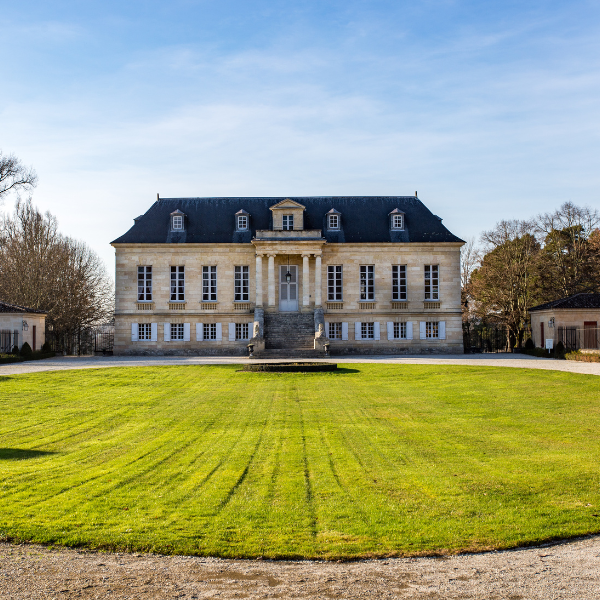
Château La Louvière
Château La Louvière's vines date back to around 1310, though the estate as it stands today, in the Pessac-Léognan appellation, was built in the late 18th century by architect François Lhôte, a student of Victor Louis (who designed Bordeaux's Grand Théâtre). When André Lurton bought the property in 1965, it had fallen into disrepair; he spent 40 years restoring it, and it's now a listed Historic Monument.
Inside, the rotunda salon holds a ceiling painting by the Flemish artist François-Louis Lonsing depicting the myth of Psyche. The 48-hectare vineyard produces both reds and whites, and today the estate is run by Jacques Lurton and Mathilde de Caix-Lurton.
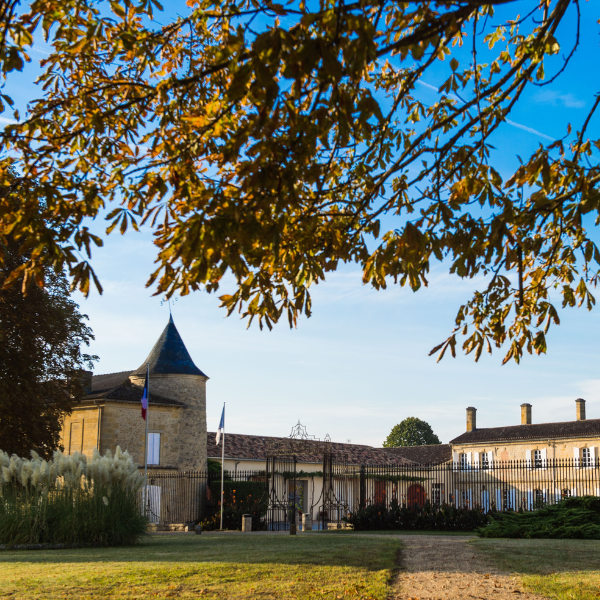
Château de Portets
Château de Portets sits on the Garonne, on a site the Romans settled around 1000 BC to build a river port, later planting the vines that still anchor the estate. On 31 July 1808, Napoleon and Joséphine stopped here unexpectedly, delayed by tides and headwinds on their way to Bordeaux; a bronze plaque in the courtyard still marks the visit.
The château fell into disrepair after German occupation in the Second World War, until the Théron family bought and restored it in 1956. Their descendants still run it today, and the building, listed as a Historic Monument since 2013, sits on a 30-hectare vineyard producing Graves reds and whites.
Sauternais: Rediscovering the Golden Wines
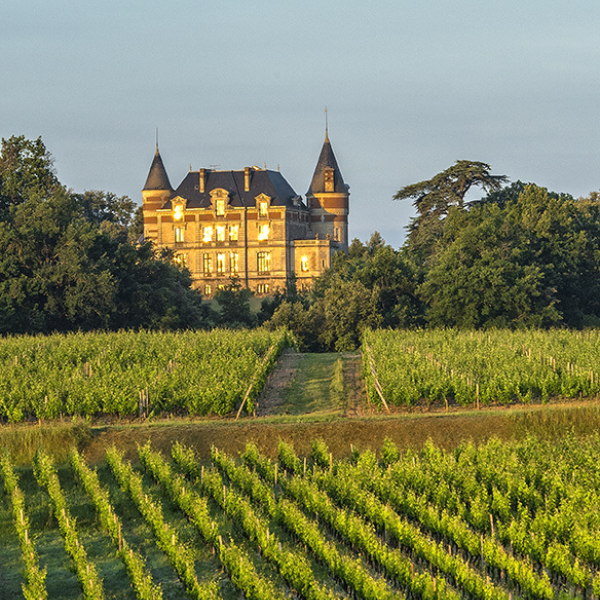
Château Rayne Vigneau
Château Rayne Vigneau was ranked among the Premiers Crus in the 1855 Sauternes classification, right behind Château d'Yquem, its immediate neighbour. What sets its 84 hectares apart is underground: the gravelly subsoil is scattered with semi-precious stones, agates, sapphires, amethysts, rock crystal, so much so that a 19th-century owner, nicknamed "the gentleman of the pebbles," spent much of his life digging them up and turned part of the château into a gem museum.
Visits run through the vineyard and the barrel cellar, ending with a tasting of the estate's wines, and in summer the property also runs a treasure-hunt escape game built around its buried gemstones.
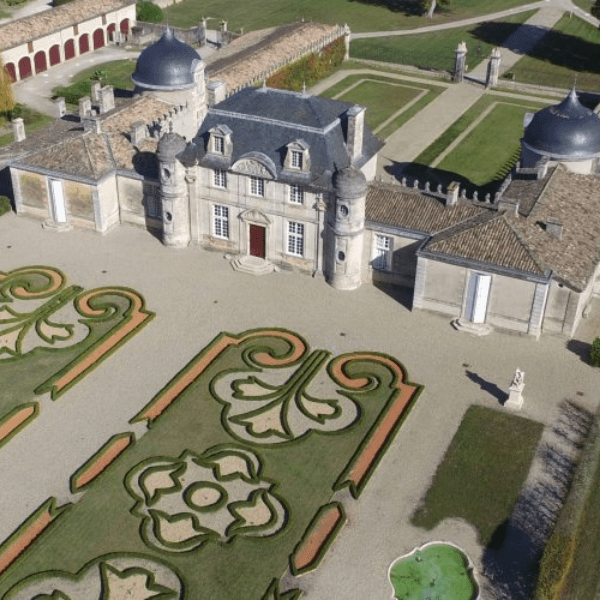
Château de Malle
Château de Malle sits in Preignac, on the border between the Graves and Sauternes appellations, with vines recorded since 1666 and a Second Grand Cru Classé ranking from 1855. Its six hectares of Italian-style gardens, dotted with statues from mythology and the commedia dell'arte, have been a listed Historic Monument since 1943.
The estate stayed in the same family for over three centuries, but fell into neglect after 2018. In 2024 it was sold for the first time in its history rather than passed down, to Luc and Clémence Planty, who are now converting the vineyard to organic farming and have reopened the château to visitors.
Entre-Deux-Mers: A Land of Passion
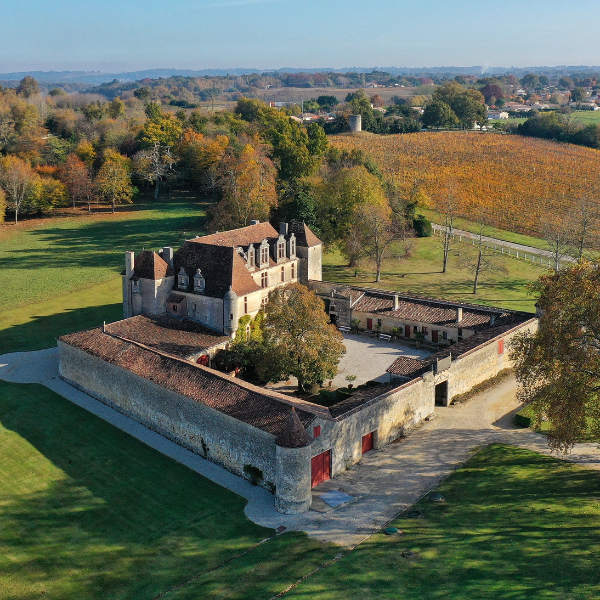
Château Le Grand Verdus
The Le Grix de la Salle family has run this Renaissance château, built in 1579 and listed as a Historic Monument since 1978, since the 19th century. On its 100 hectares in the Entre-deux-Mers, they age wine in amphorae and Burgundy barrels alongside steel tanks, converted the vineyard to organic farming in 2023, and have planted grape varieties rarely seen in Bordeaux, including Syrah and Chenin Blanc.
Visits run through the château, the modern vat room and the barrel-and-amphora cellar, ending in a tasting; in season, picnic baskets and two nature trails through the vineyard are also on offer.

Château Lestrille
Château Lestrille has belonged to the Roumage family since 1901. Estelle Roumage took over in 2001, the estate's centenary year, becoming the first woman to run the property after four generations of men. She also opened "Un Château en Ville," a wine bar in Bordeaux pouring only Lestrille's own wines.
The 41-hectare estate has farmed sustainably since the early 1980s, began converting to organic in 2020, and earned certification in 2023.
Discover all our château visits.